Understanding Elimination Diets: A Guide
Understanding Elimination Diets: A Vital Guide
In today's journey toward optimal health, many find it helpful to pinpoint foods that might be causing discomfort or health issues. One popular strategy is the elimination diet. But what exactly is it, and how can it help you?
What Is an Elimination Diet?
An elimination diet is a simple process where certain foods are removed from your daily intake. The goal is to identify any foods that might be causing negative effects on your health. Once these foods are identified, they can be avoided to improve your overall well-being.
Key Steps to Follow
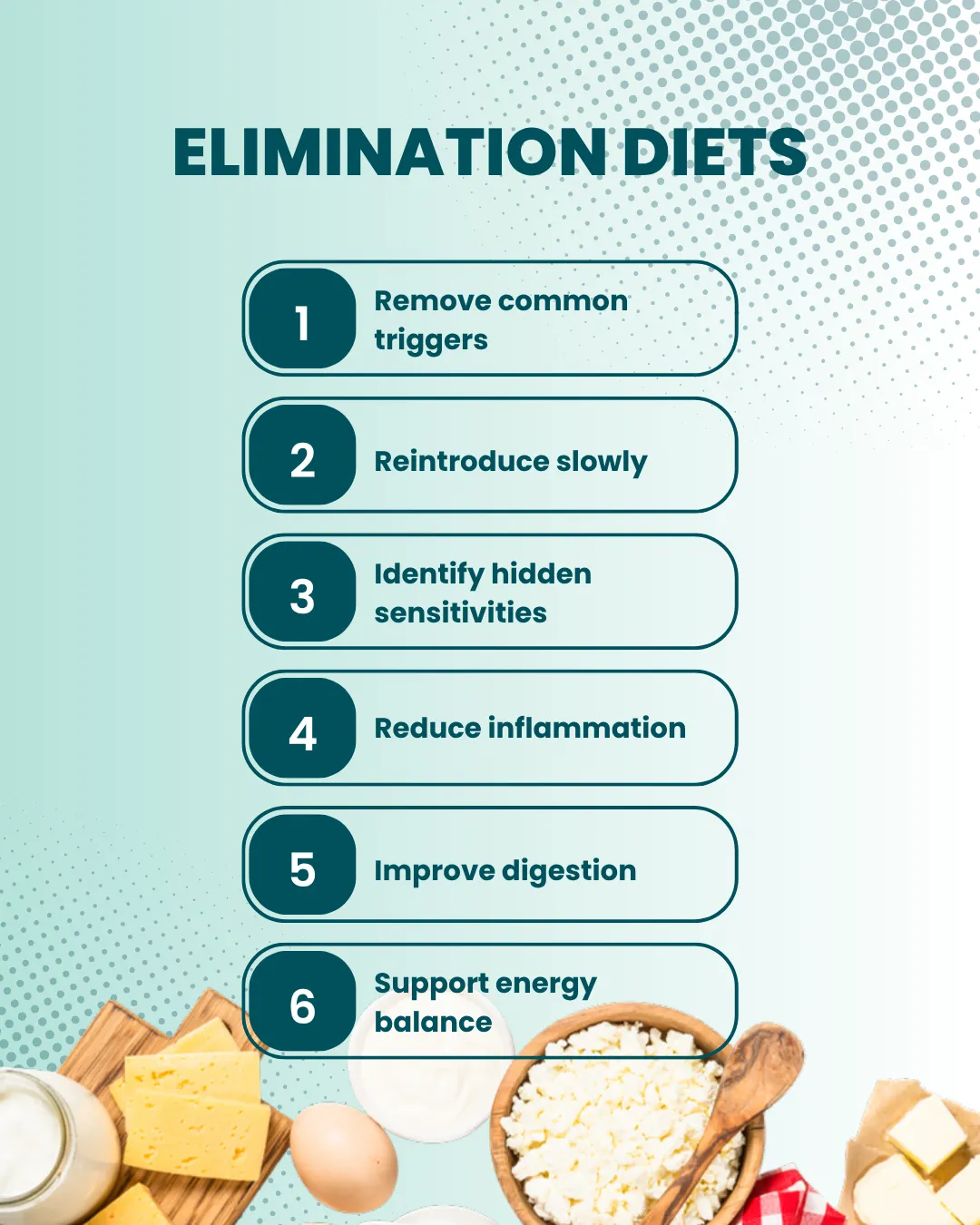
- Remove Common Triggers: Begin by eliminating foods that are known triggers for many people. This includes dairy, gluten, nuts, eggs, and soy. These are often linked to allergies or sensitivities.
- Reintroduce Slowly: Gradually bring the eliminated foods back into your diet, one at a time. This will help you observe any adverse reactions like bloating or headaches.
- Identify Hidden Sensitivities: By carefully monitoring your body’s response to each food you reintroduce, you can identify foods that cause trouble.
- Reduce Inflammation: Eliminating troublesome foods can reduce inflammation, a common source of many chronic diseases.
- Improve Digestion: By identifying and removing foods that irritate your digestive system, your overall digestive health can improve.
- Support Energy Balance: Energy levels can soar when foods causing fatigue and sluggishness are eliminated.
Why Consider an Elimination Diet?
The benefits of an elimination diet can be significant:
- Better Skin Health: Skin issues like acne and eczema might be related to food sensitivities. Clearing away certain foods can lead to improvements.
- Increased Energy: Removing hidden culprits can prevent fatigue and help maintain steady energy levels.
- Weight Management: Identifying and removing foods that cause bloating can support weight loss and healthier body composition.
- Overall Well-being: Beyond physical health, removing foods that make you uncomfortable can enhance mental and emotional well-being.
Challenges and Tips
Embarking on an elimination diet can be a bit challenging, especially if you're unsure where to start. Here are a few tips:
- Plan Meals Ahead: Preparing your meals can help avoid accidental consumption of eliminated foods.
- Keep a Food Diary: Record what you eat and any symptoms you experience. This will make it easier to connect specific foods to symptoms.
- Seek Professional Guidance: Consulting with a healthcare provider or nutritionist can provide direction and personalized advice.
Conclusion
Elimination diets are a powerful tool for identifying and removing foods that may cause health issues. By following the steps outlined and paying close attention to how your body responds, you can improve your health, enhance your energy levels, and enjoy a better quality of life. Remember, your path to health is unique; consider listening to your body and making choices that align with your individual needs.