Understanding Elimination Diets Made Simple
Understanding Elimination Diets
Many people suffer from food sensitivities without even knowing it. These sensitivities can cause discomfort, bloating, headaches, and even skin problems. One effective way to address these issues is through an elimination diet.
What is an Elimination Diet?
An elimination diet helps individuals identify the foods that might be causing unwanted symptoms. It involves removing certain foods from the diet for a period of time and then reintroducing them slowly.
Steps to a Successful Elimination Diet
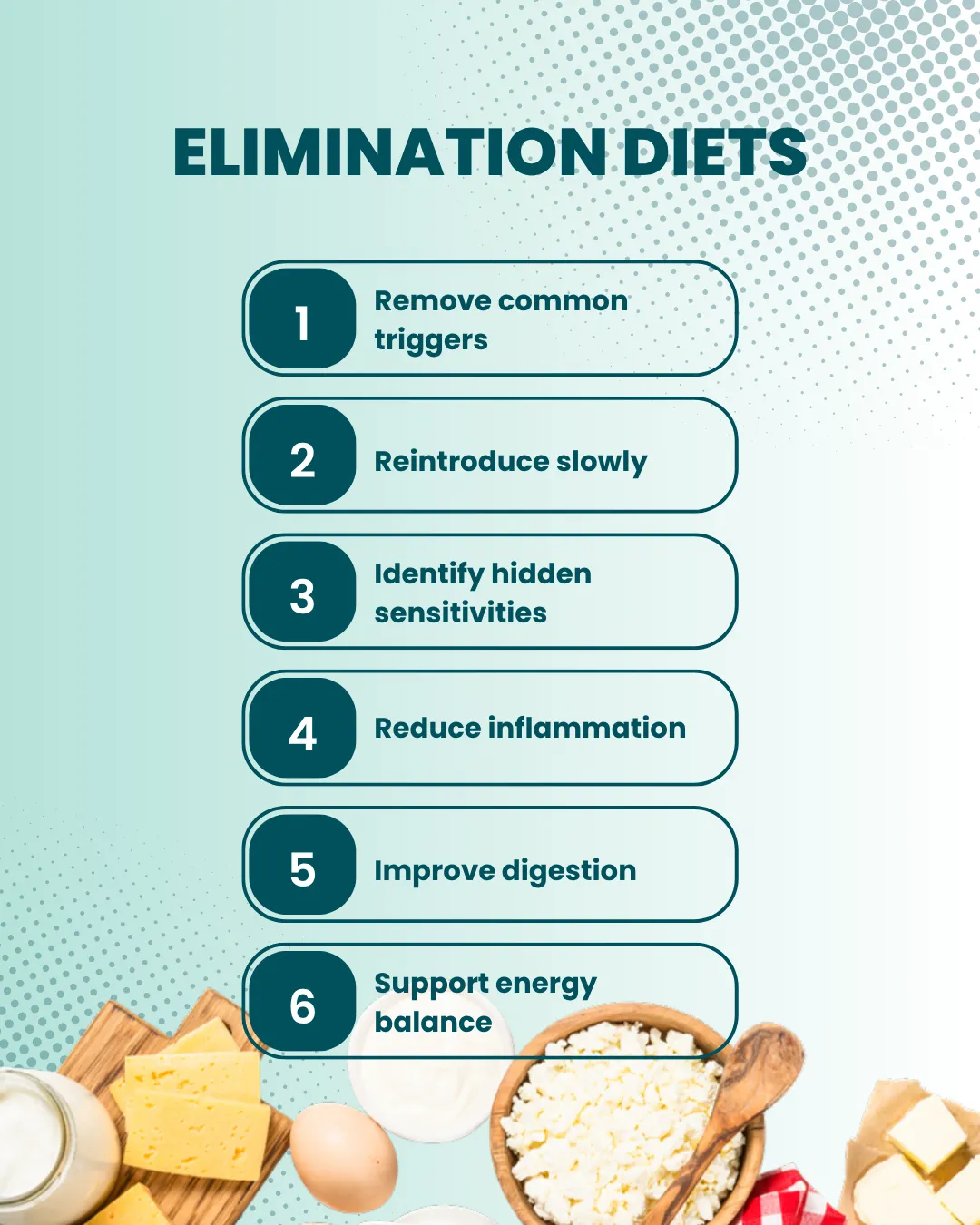
- Remove Common Triggers: Begin by cutting out foods known to cause sensitivities. These often include dairy, gluten, soy, nuts, and eggs.
- Reintroduce Slowly: After a few weeks, gradually bring back eliminated foods one at a time. Observe any reactions your body may have.
- Identify Hidden Sensitivities: By carefully monitoring how your body responds, you can pinpoint any specific foods that cause issues, even ones you weren't aware of before.
- Reduce Inflammation: Many sensitivities lead to inflammation in the body. By cutting out triggers, you can help reduce this and promote better health.
- Improve Digestion: With the elimination of troublesome foods, digestion often improves, leading to more energy and better nutrient absorption.
- Support Energy Balance: The right balance of essential nutrients helps maintain steady energy levels throughout the day.
Benefits of an Elimination Diet
Besides uncovering food sensitivities, elimination diets can provide numerous health benefits:
- Improved Mood: With fewer irritants, mood swings and irritability often decrease.
- Better Skin Health: Skin conditions like eczema can improve with the right dietary adjustments.
- Increased Energy Levels: Feeling tired after meals? This can change with the right dietary changes, giving you a new level of vitality.
Common Challenges and Solutions
Embarking on an elimination diet can be tricky, but with preparation, you can navigate challenges.
- Cravings: Have healthier alternatives ready to deter from processed snacks.
- Dining Out: Choose places with menu options that align with your dietary needs.
- Support and Guidance: Consider working with a health professional to ensure you're getting a balanced diet.
Wrapping Up
An elimination diet is a journey to better health. With patience and attention to your body's signals, you can improve your well-being substantially. Remember, it’s not just about removing foods but discovering what makes you feel your best.