Exploring the Benefits of Elimination Diets
Exploring the Benefits of Elimination Diets
Elimination diets have been gaining popularity as a powerful way to improve overall health and well-being. Many people struggle with various health issues that can be tricky to diagnose. Fortunately, elimination diets offer a structured way to identify food sensitivities and improve health outcomes.
What is an Elimination Diet?
An elimination diet is a short-term eating plan that systematically removes certain foods that are suspected of causing allergic reactions or food sensitivities. These types of diets aim to pinpoint exactly which foods may be causing problems for your body.
Steps to Follow
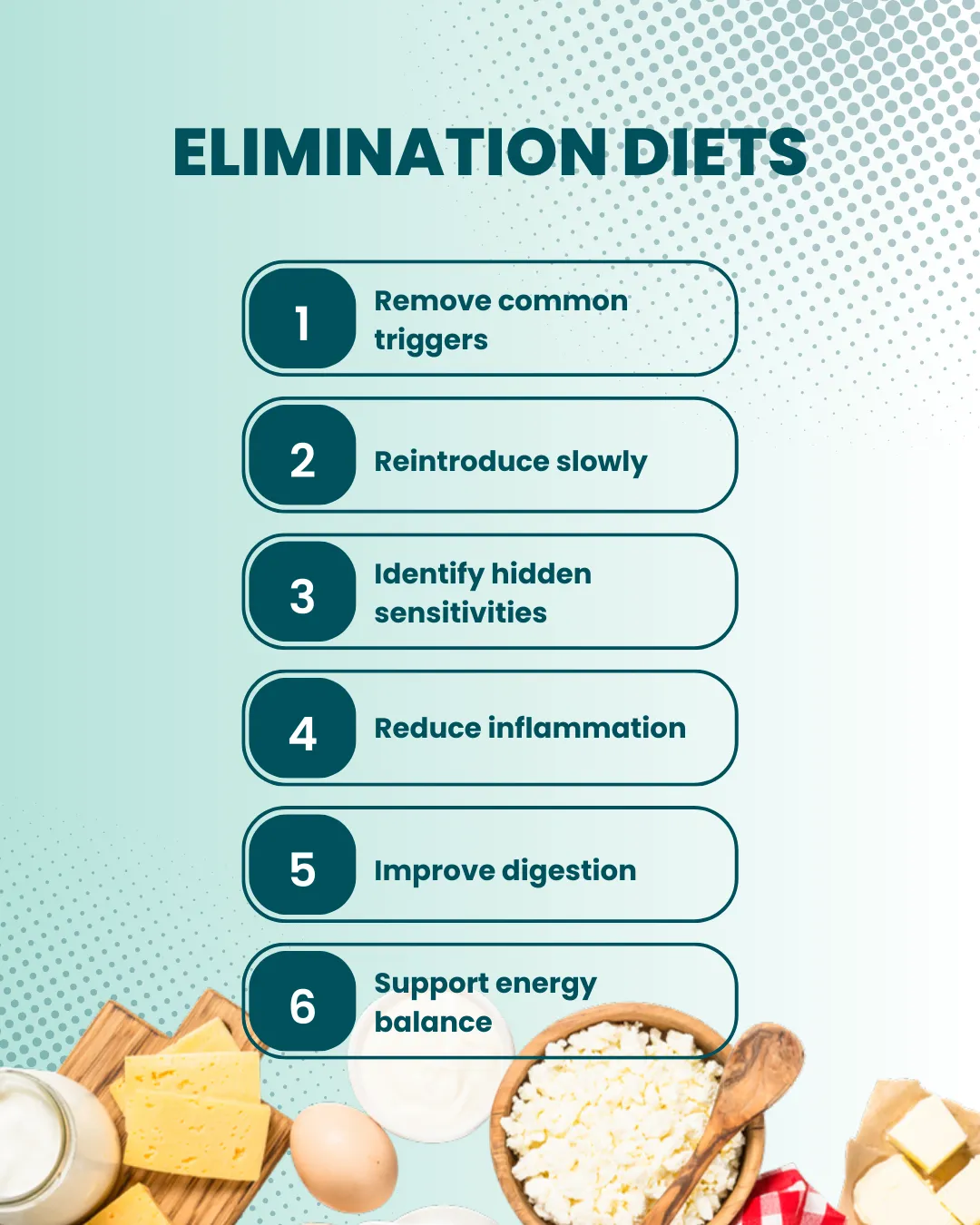
1. Remove Common Triggers
The first step in an elimination diet involves removing foods known to trigger sensitivities. Some common foods to consider removing include:
- Dairy
- Gluten
- Nuts
- Soy
- Processed Sugars
2. Reintroduce Slowly
After a few weeks, once symptoms have subsided, slowly reintroduce the foods one at a time. Observe your body's reaction closely. The goal is to monitor any signs of allergic reactions or discomfort that occur when specific foods are reintroduced.
3. Identify Hidden Sensitivities
Some sensitivities might not be obvious. By eliminating and then gradually reintroducing foods, you can identify hidden sensitivities that you may not have been aware of before.
4. Reduce Inflammation
Inflammation is a common problem that can lead to a variety of health issues. By eliminating trigger foods, you can reduce inflammation in the body, leading to better health. Foods that are known to cause inflammation should be identified and avoided whenever possible.
5. Improve Digestion
Improved digestion is often one of the major benefits reported by those who undergo elimination diets. Foods that cause discomfort or bloating can be identified and avoided, leading to a happier digestive system.
6. Support Energy Balance
When the body is free from foods causing distress, you may find that energy levels dramatically improve. Supporting energy balance leads to better daily performance and overall well-being.
Tips for a Successful Elimination Diet
- Keep a Food Diary: Write down what you eat and any symptoms experienced. This will help you track patterns.
- Plan Meals in Advance: Having a meal plan will ensure you avoid slip-ups and stay on track.
- Be Patient: Identifying food sensitivities takes time. Be patient with yourself during this process.
Conclusion
Elimination diets can be an invaluable tool for anyone looking to improve their health by identifying food sensitivities and reducing inflammation. Remember to consult with a healthcare provider before starting an elimination diet to ensure it's suitable for you. By following these steps, you may discover new paths to improved health and energy.