Panchakarma Diet: Your Path to Wellness
Welcome to the Ayurvedic Panchakarma Diet: Your Path to Wellness
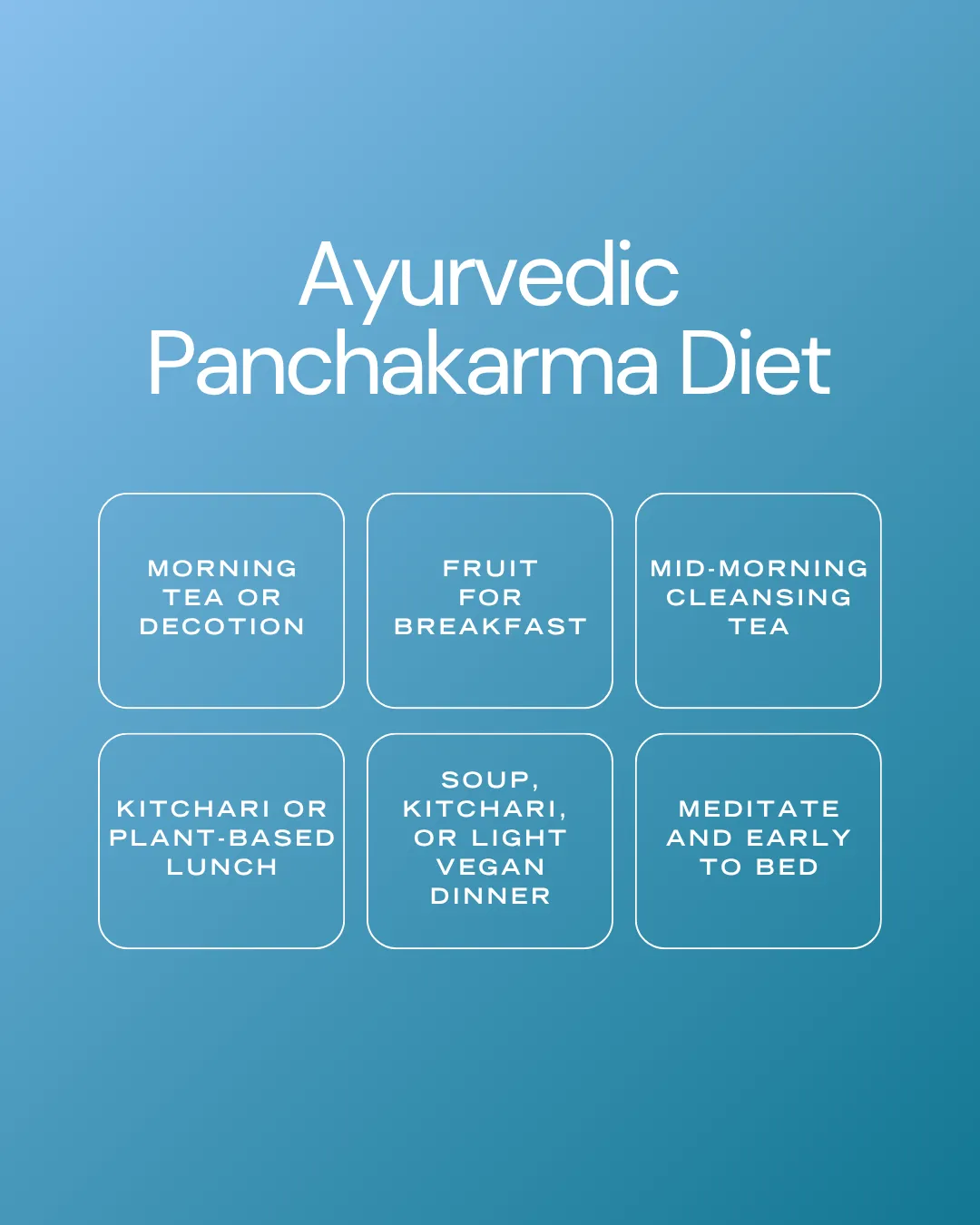
Embarking on a new health journey can be both exciting and challenging. Today, let's explore the Ayurvedic Panchakarma Diet, a well-established approach to achieving optimal health, balance, and well-being. This diet is rooted in the ancient Indian practice of Ayurveda, which focuses on holistic wellness and balance in body and mind. Here's a simple guide to understanding each step of this transformative diet.
1. Start Your Day with Morning Tea or Decoction
Beginning the day with a warm, comforting beverage can set a positive tone for everything that follows. In the Panchakarma Diet, a morning tea or decoction is enjoyed to help kick-start digestion and cleanse the body.
- Ginger Tea: Known for its digestive benefits, ginger tea is an excellent option. It can help wake up your digestive system and boost metabolism.
- Herbal Decoction: You might also opt for an herbal blend focusing on detoxification and energy.
2. Enjoy Fruit for Breakfast
Fruits are packed with essential nutrients and are easy to digest. Eating fruit in the morning ensures you're starting your day with a boost of natural sugars and vitamins. Consider fresh options like apples, berries, or melons.
- Best Choices: Opt for seasonal fruits to take advantage of peak flavor and nutritional content.
3. Mid-Morning Cleansing Tea
A mid-morning tea can keep up the momentum of cleansing and energizing your body. Consider teas that focus on liver health and detoxification, such as dandelion or lemongrass tea.
- Gentle Detoxification: These teas not only cleanse but refresh, keeping you energized throughout the morning.
4. Kitchari or Plant-Based Lunch
Kitchari is a traditional Ayurvedic dish combining rice and lentils. It's easy to digest and helps in nourishment and detoxification.
- Ingredients: It's usually made with yellow mung beans and basmati rice, cooked with digestive spices like cumin, coriander, and turmeric.
- Alternate Option: If Kitchari isn't available, opt for a vegan plant-based meal. This approach emphasizes vegetables and legumes, offering sustained energy.
5. Dinner Choices: Soup, Kitchari, or Light Vegan Options
In the evening, opt for lighter meals that are easy on digestion. A light soup, more Kitchari, or a vegan dish works wonders. Light dinners aid in better sleep and a supported digestive process overnight.
- Soups: Consider simple vegetable broths or lentil soups, which are wholesome and satisfying.
6. Evening Meditations and Early Bedtime
Ending the day with meditation can bring peace and clarity. Practice mindfulness for a few minutes before heading to bed. This practice helps calm the mind and prepares the body for restful sleep. Aim to go to bed early to restore and rejuvenate the body.
- Restful Sleep: An early bedtime ensures your body gets adequate rest, fostering healing and overall wellness.
Benefits of the Panchakarma Diet
Adhering to the Panchakarma Diet can offer numerous benefits:
- Improved Digestion: Regular consumption of detoxifying teas and light meals boosts digestive health.
- Increased Energy: A balanced diet rich in nutrients gives the body sustained energy.
- Enhanced Mindfulness: Emphasis on meditation and rest enhances mental clarity and emotional health.
Conclusion
Whether you're new to Ayurvedic practices or a seasoned enthusiast, the Panchakarma Diet offers a structured path to enhancing health and wellness. The combination of nourishing meals, detoxifying beverages, and mindfulness practices creates a harmonious lifestyle that is accessible to everyone. Start today, and embark on a journey towards a healthier, more balanced you.