The Transformative Power of Journaling
The Transformative Power of Journaling
In today’s fast-paced world, many of us often find ourselves overwhelmed with countless thoughts, feelings, and stresses. Journaling is a simple yet powerful tool that can help us navigate through this mental maze. Let's dive into the transformative benefits of keeping a journal and how it can positively impact mental health.
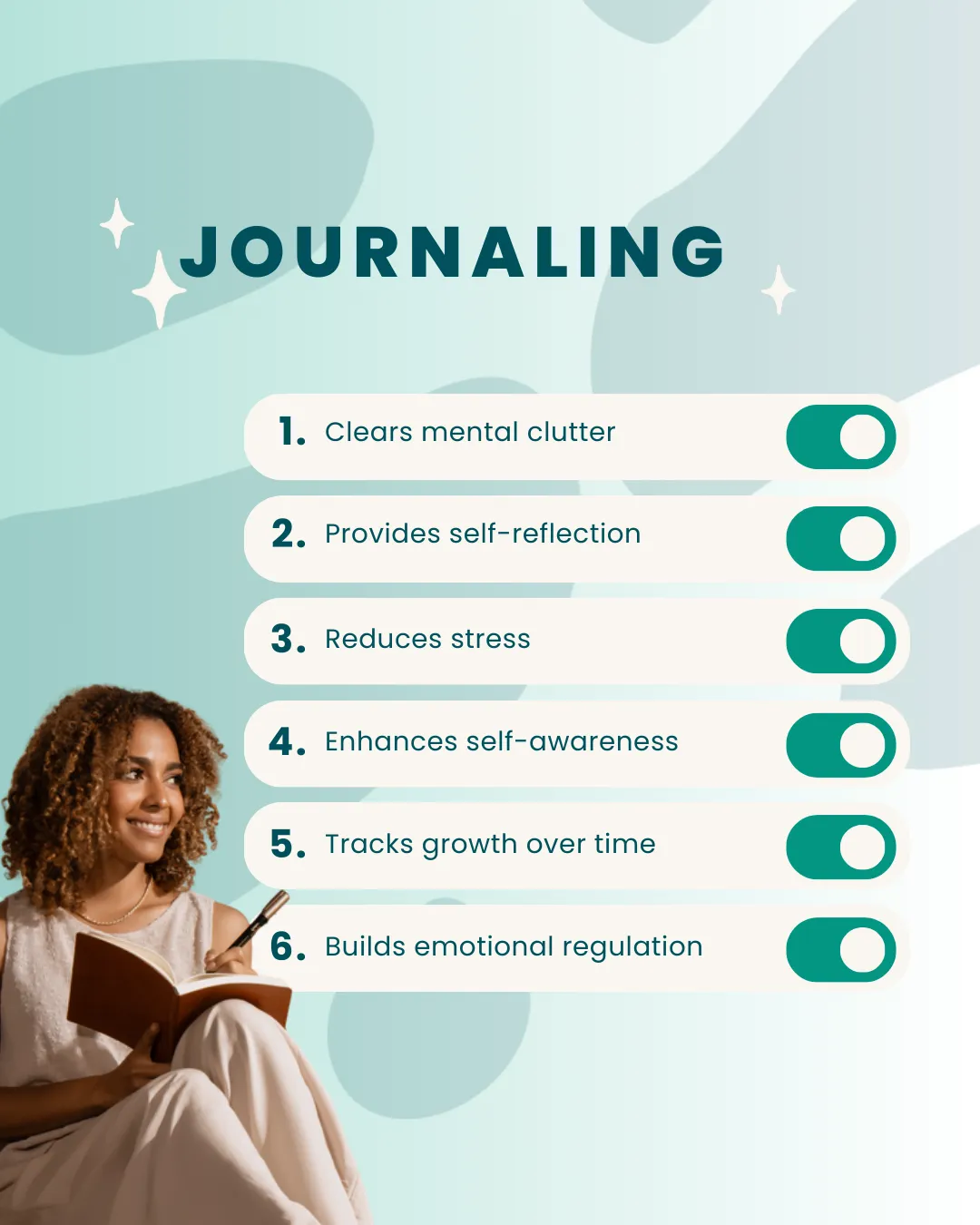
1. Clears Mental Clutter
Mental clutter refers to a mind full of unprocessed thoughts and emotions. It happens to everyone, and it can feel overwhelming at times. Journaling helps by providing a structured outlet to express these thoughts. When you write down your worries or concerns, you take them out of your head and put them on paper. This can make them feel less significant and more manageable. By keeping a journal, you allow your mind to breathe.
2. Provides Self-Reflection
Writing in a journal offers a unique opportunity for self-reflection. When you look back at your entries, you can gain insights into your feelings and behaviors. This self-reflection helps you understand what makes you happy, what triggers your stress, and what you can do to improve your life. Regular journaling can also reveal patterns and habits that you might not have noticed otherwise.
3. Reduces Stress
Stress is a common part of life. While a little stress can be healthy, too much of it can take a toll on your health. Journaling is a great stress relief technique. When you write about stressful events, it can help you process emotions and reduce anxiety. It acts as a personal space to vent out feelings without the fear of judgment. Reducing stress levels through journaling can lead to improved mental well-being.
4. Enhances Self-Awareness
Self-awareness involves being aware of different aspects of yourself, including your traits and behaviors. Journaling regularly helps enhance this awareness. As you write about your experiences, you begin to see yourself more objectively. This newfound awareness can be the first step toward making positive changes in your life. It encourages you to be more mindful and present in the moment.
5. Tracks Growth Over Time
One of the most rewarding aspects of journaling is tracking your growth over time. By revisiting old entries, you can see how far you've come. You may notice improvements in your mood, achievements of personal goals, or changes in your perspectives. This sense of progress can boost your self-confidence and motivate you to continue on your journey of self-improvement.
6. Builds Emotional Regulation
Emotional regulation is the ability to manage and respond to your emotions. Journaling allows you to express your emotions openly and freely. By regularly engaging in this practice, you learn how to better handle emotional situations. You begin to identify triggers that cause emotional reactions and develop healthier coping strategies. Over time, this can lead to better emotional intelligence and resilience.
Tips for Effective Journaling
- Start small: Dedicate just a few minutes each day to jot down your thoughts.
- Be consistent: Try to write at the same time every day to build a habit.
- Be honest: Write truly and authentically, without worrying about grammar or spelling.
- Set intentions: Begin with a prompt or question to guide your journaling session.
- Review regularly: Take some time every month to read past entries and reflect on your growth.
In conclusion, journaling is a valuable practice that offers numerous benefits for mental health. Whether you’re a seasoned journaler or a beginner, the key is to start and make it a regular part of your routine. Embrace the transformative power that comes with journaling, and watch how it enhances your life one page at a time.